Thoughts on the
Future of Science & Learning
Deep dives into virtual experiments, AI integrations, pedagogical insights, and engineering updates from the OpenLabs team.
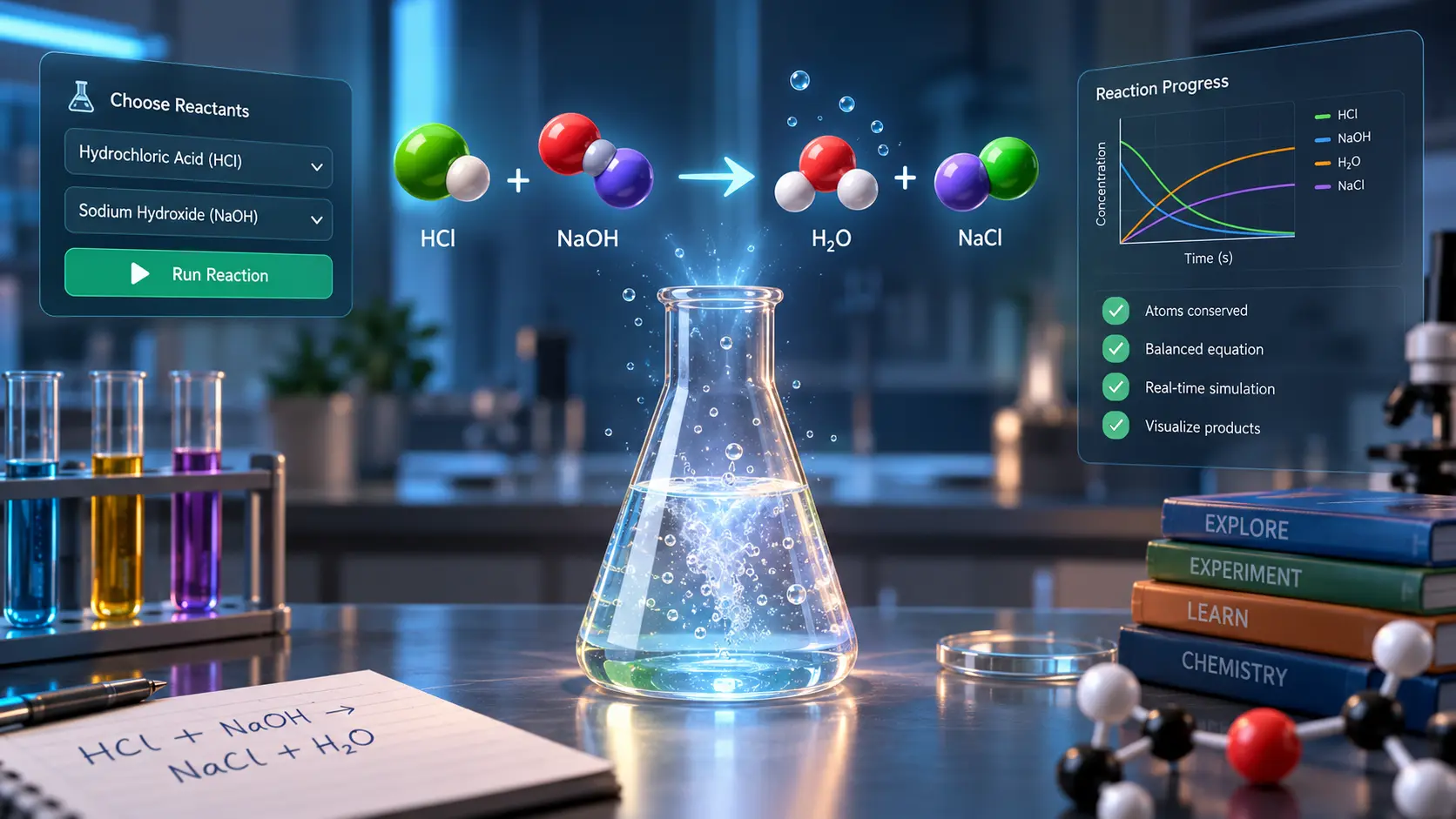
Chemical Reaction Simulator: How to Learn Chemistry by Actually Doing It
Understanding chemical reactions from a textbook is like learning to swim by reading about water. A chemical reaction simulator lets you actually run experiments — change conditions, observe outcomes, and understand why reactions happen the way they do.
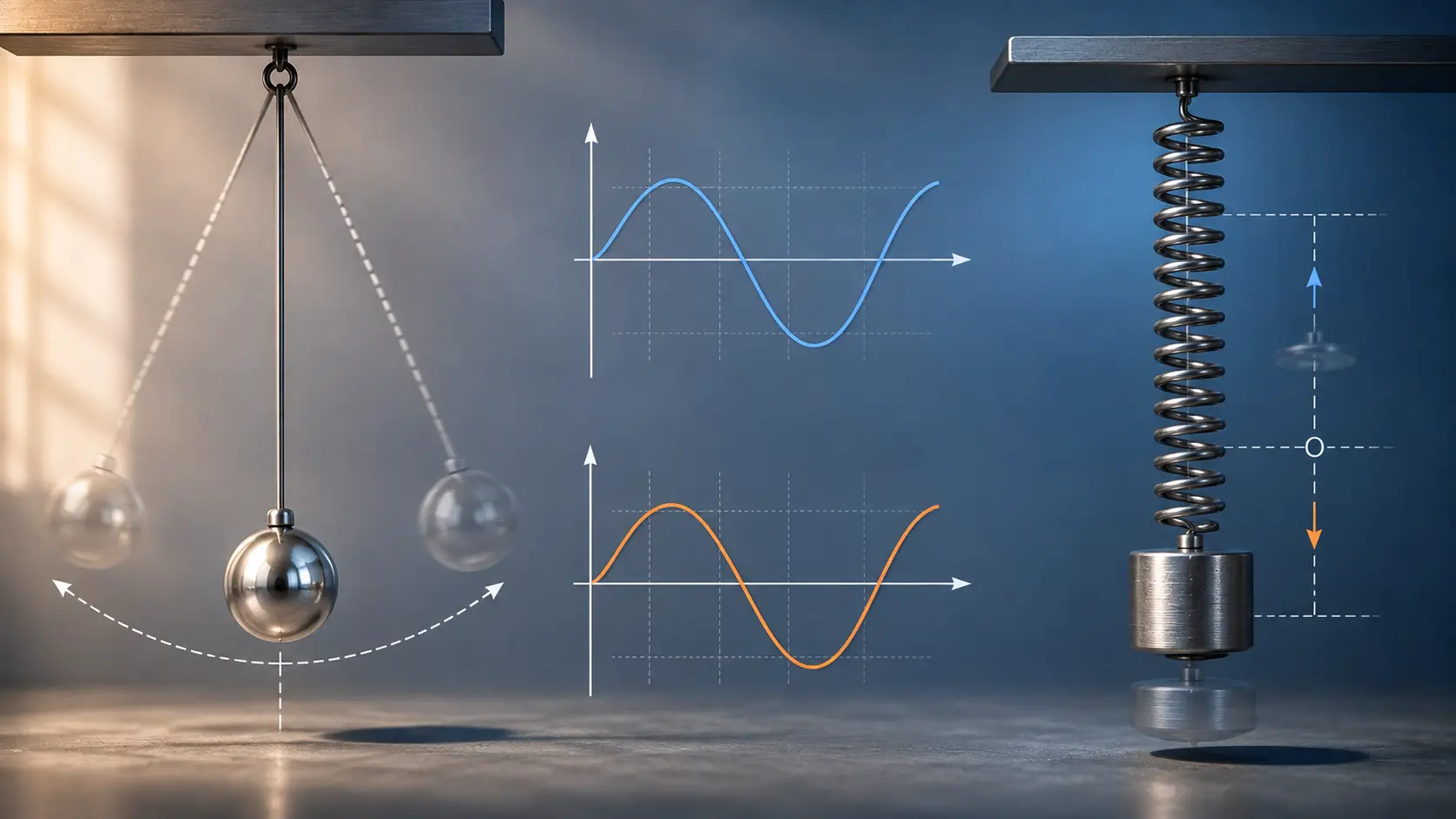
Simple Harmonic Motion Explained: Pendulums, Springs, and Why Everything Oscillates
Simple Harmonic Motion governs pendulums, springs, guitar strings, and atoms. Here's what it actually means, why students consistently get it wrong, all the formulas you need, and how to see it working in a live simulation.
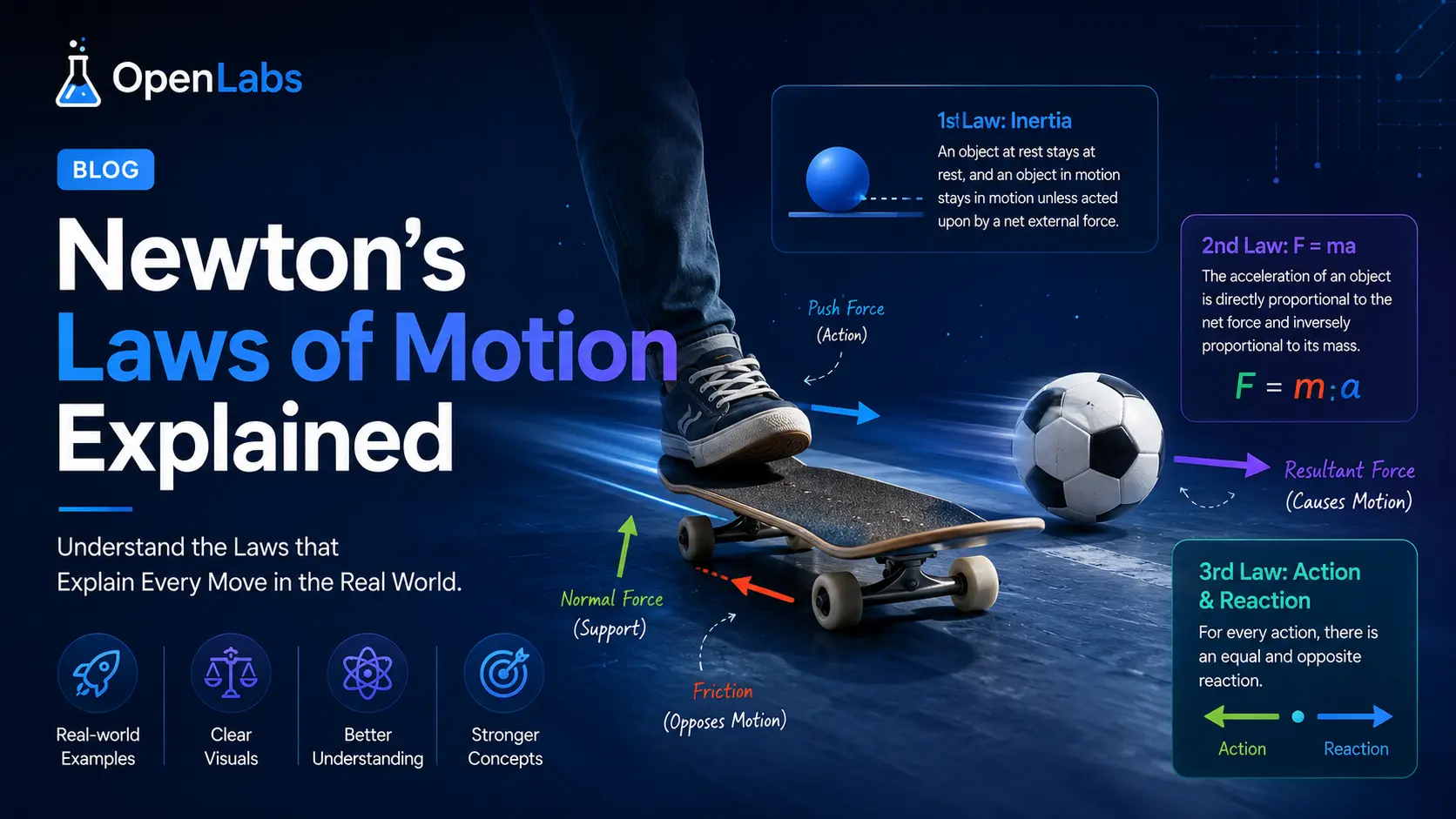
Newton's Laws of Motion Explained: How to Actually Understand Them (Not Just Memorize Them)
Newton's three laws of motion are the foundation of classical mechanics — and the most memorized, least understood topic in introductory physics. Here's what they actually mean and how to see them in action.
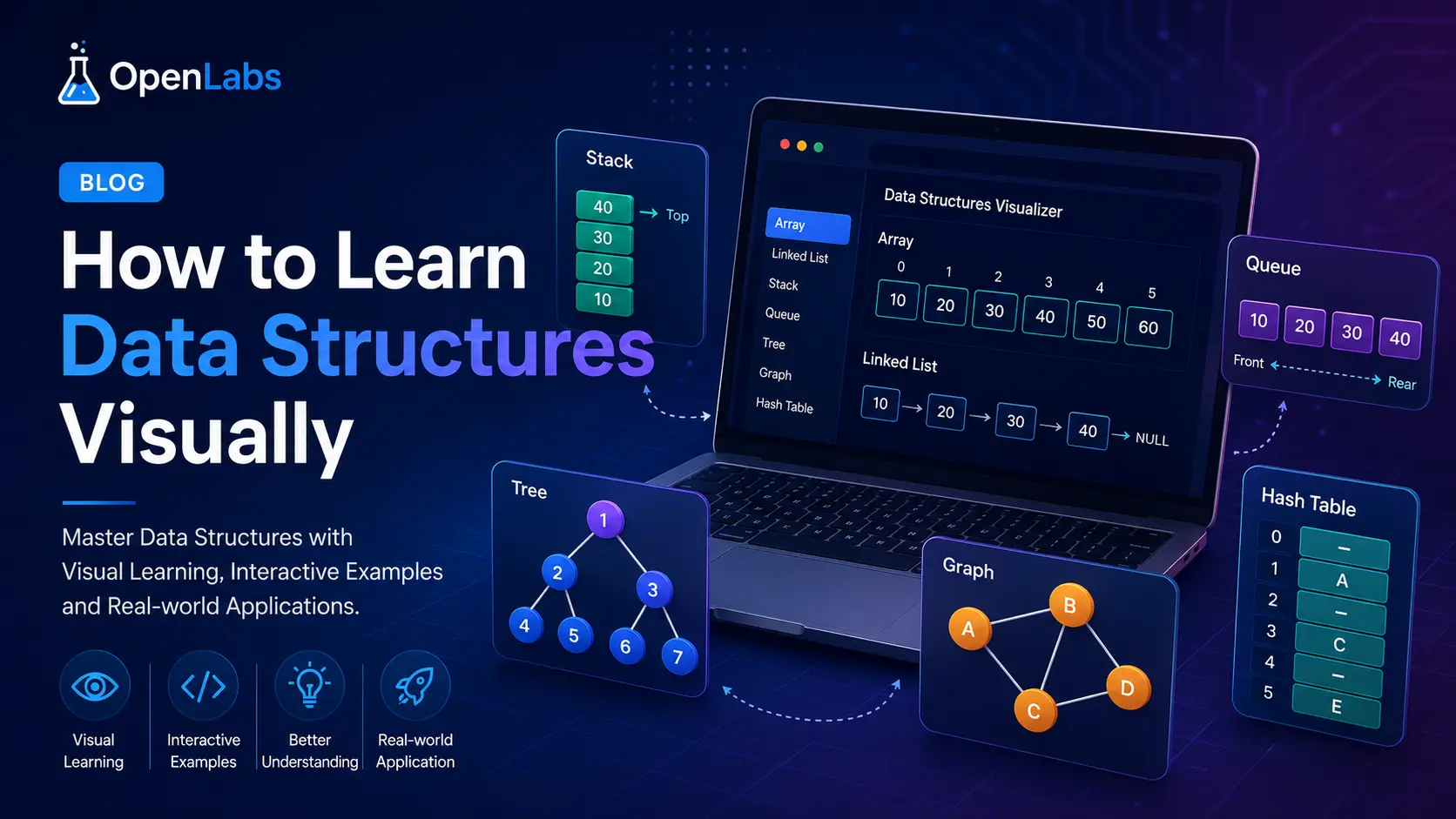
How to Learn Data Structures Without Boring Yourself to Death
Data structures feel abstract and pointless until you see them moving. Here's how to learn arrays, linked lists, trees, and sorting algorithms visually — and why that changes everything.
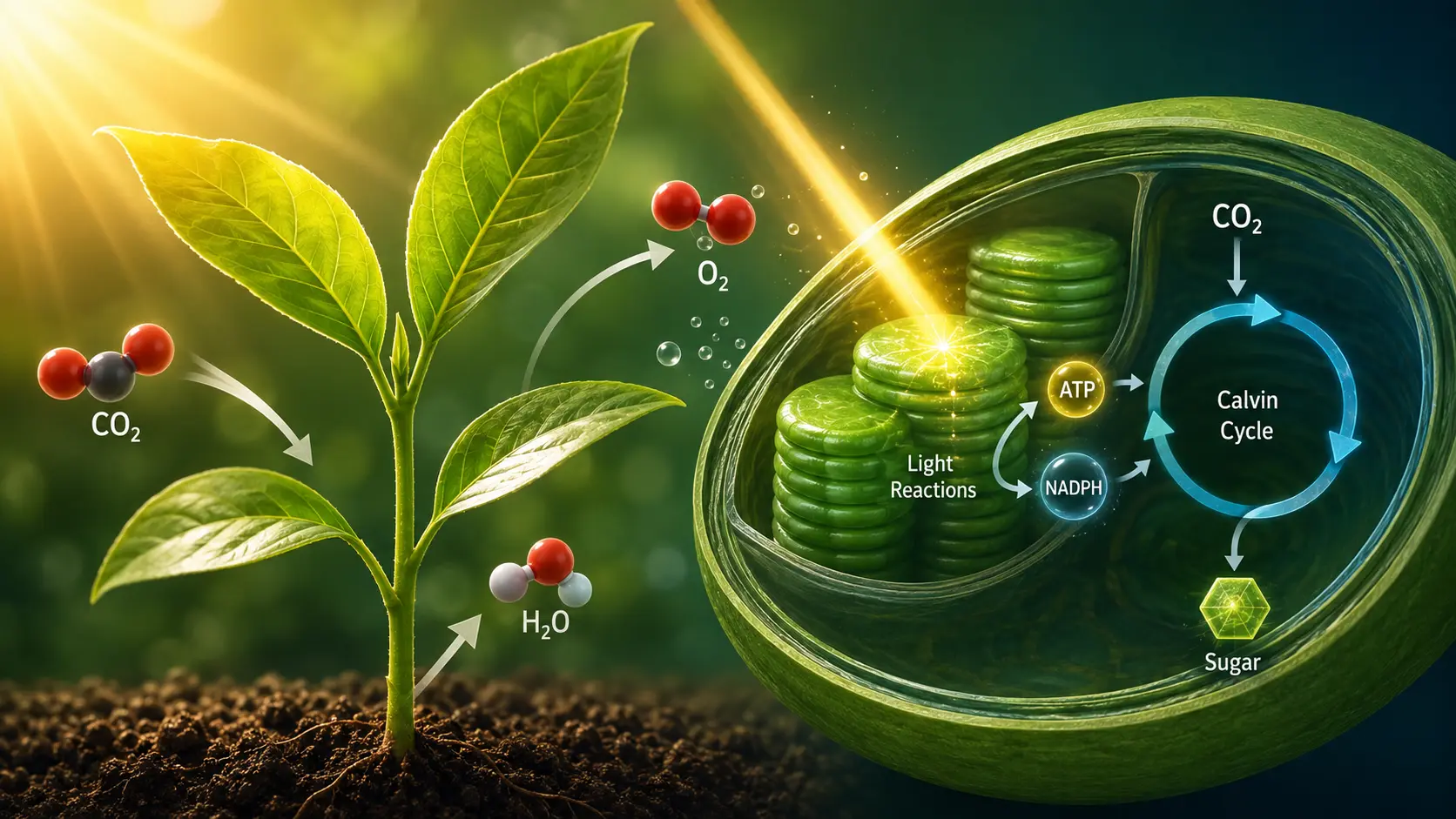
How Photosynthesis Actually Works (And Why Most Students Get It Wrong)
Photosynthesis is one of the most misunderstood topics in biology. Plants don't just absorb sunlight — the process is far more interesting than that. Here's what actually happens, why students get it wrong, and how to see it in action.
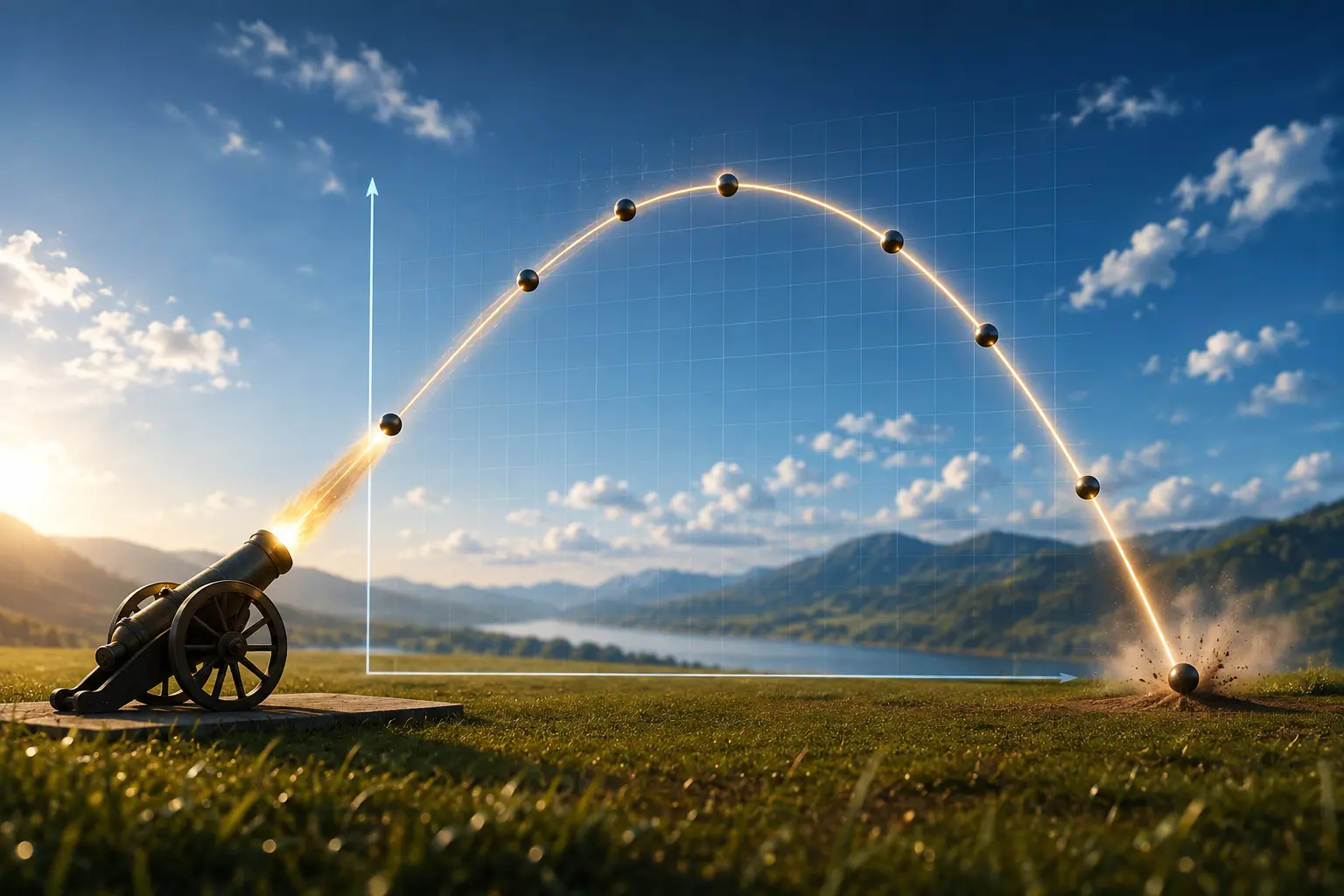
Projectile Motion Explained: Theory, Formulas, and Interactive Simulation
Projectile motion confuses students more than almost any other topic in introductory physics. Here's why — and how seeing it in a live simulation fixes the confusion that textbooks never do.
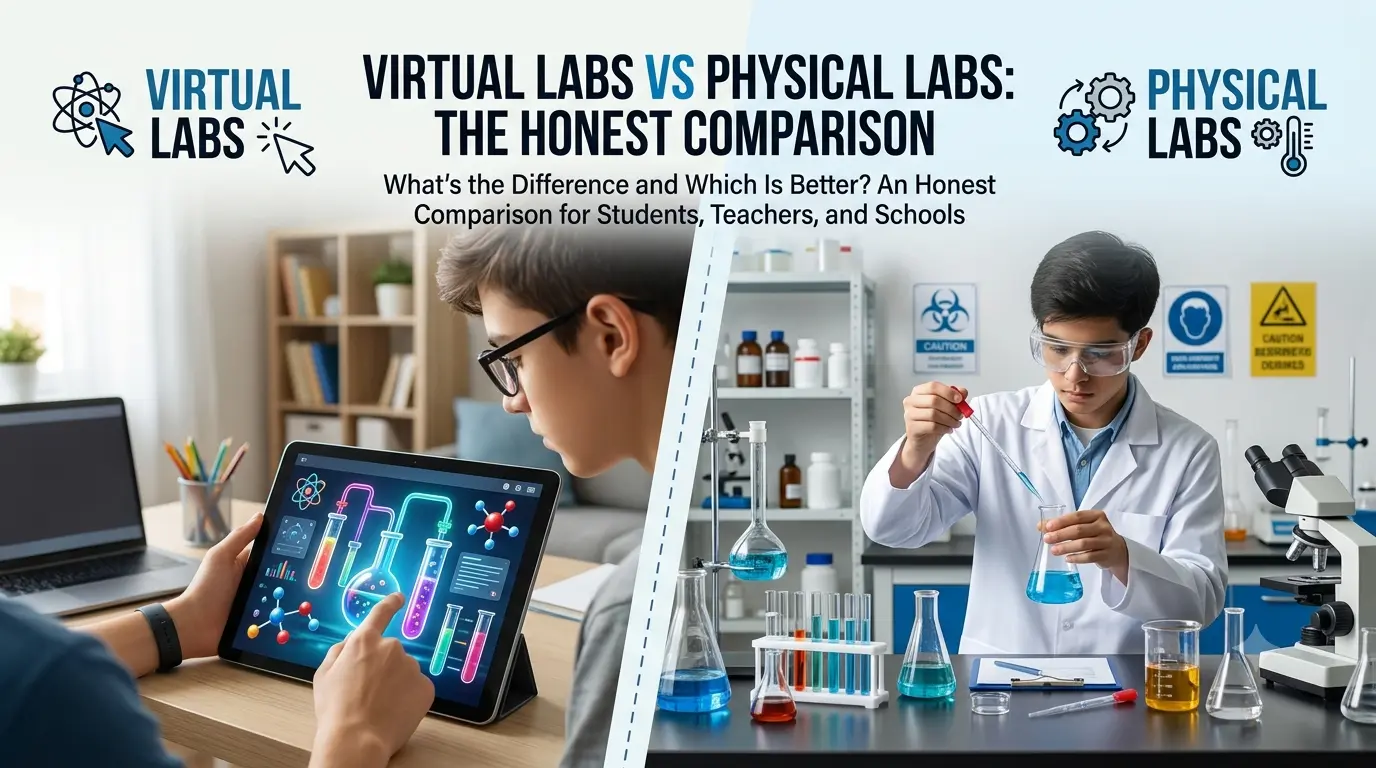
Virtual Labs vs Physical Labs: An Honest Comparison for Students, Teachers, and Schools
Virtual labs offer access, repeatability, and zero setup. Physical labs build hands-on skills nothing else replicates. Here's how they compare across what actually matters — and why the answer isn't either/or.
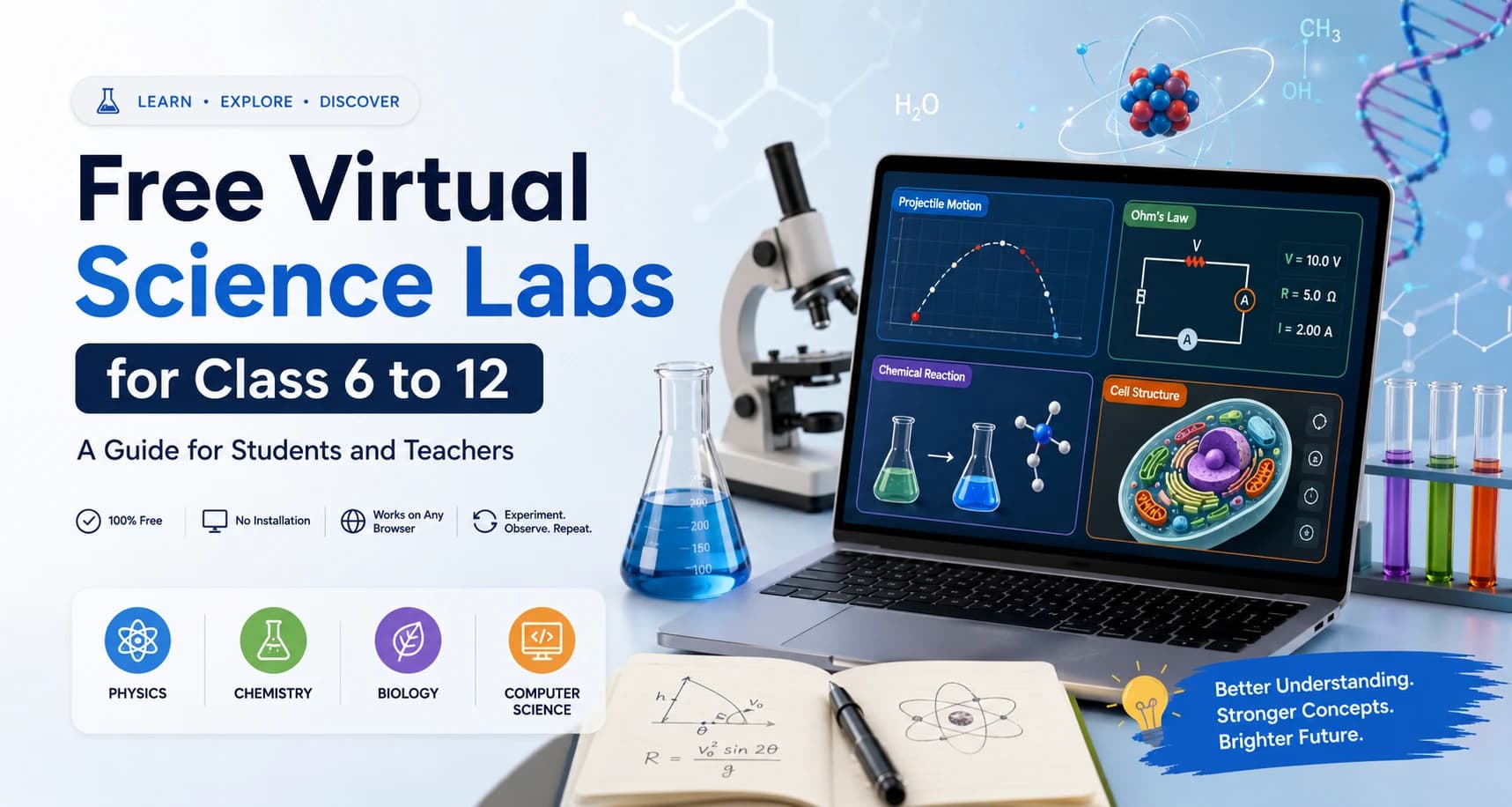
Free Virtual Science Labs for Class 6 to 12: A Guide for Students and Teachers
Physics practicals, chemistry simulations, biology models, and computer science labs — free, browser-based, and ready to use from Class 6 through Class 12. Here's what to look for and where to start.
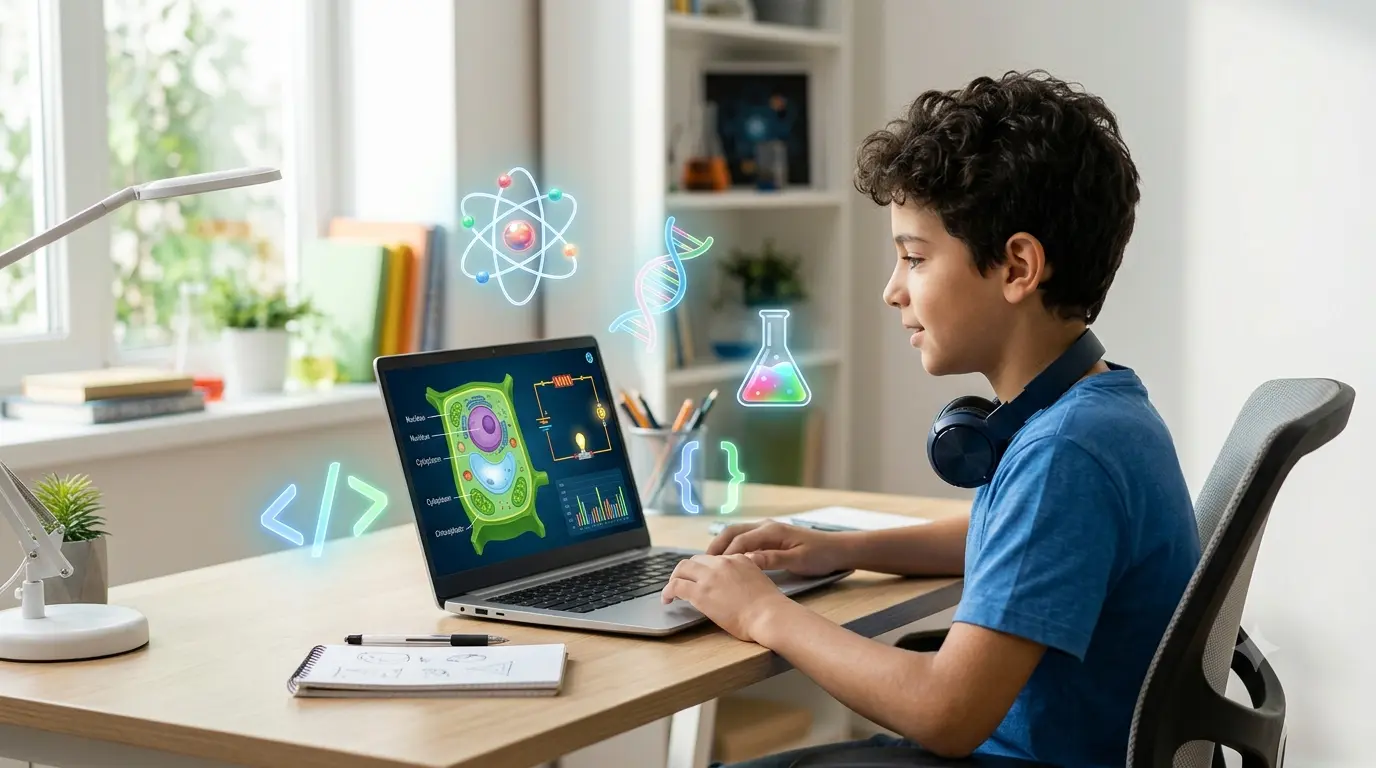
How Virtual Science Labs Work: A Guide for Students and Teachers
Virtual science labs let you test a concept instead of just reading about it. Here's exactly how they work inside a browser, what a guided lesson looks like, and how to use one well — whether you're a student, a teacher, or learning solo.
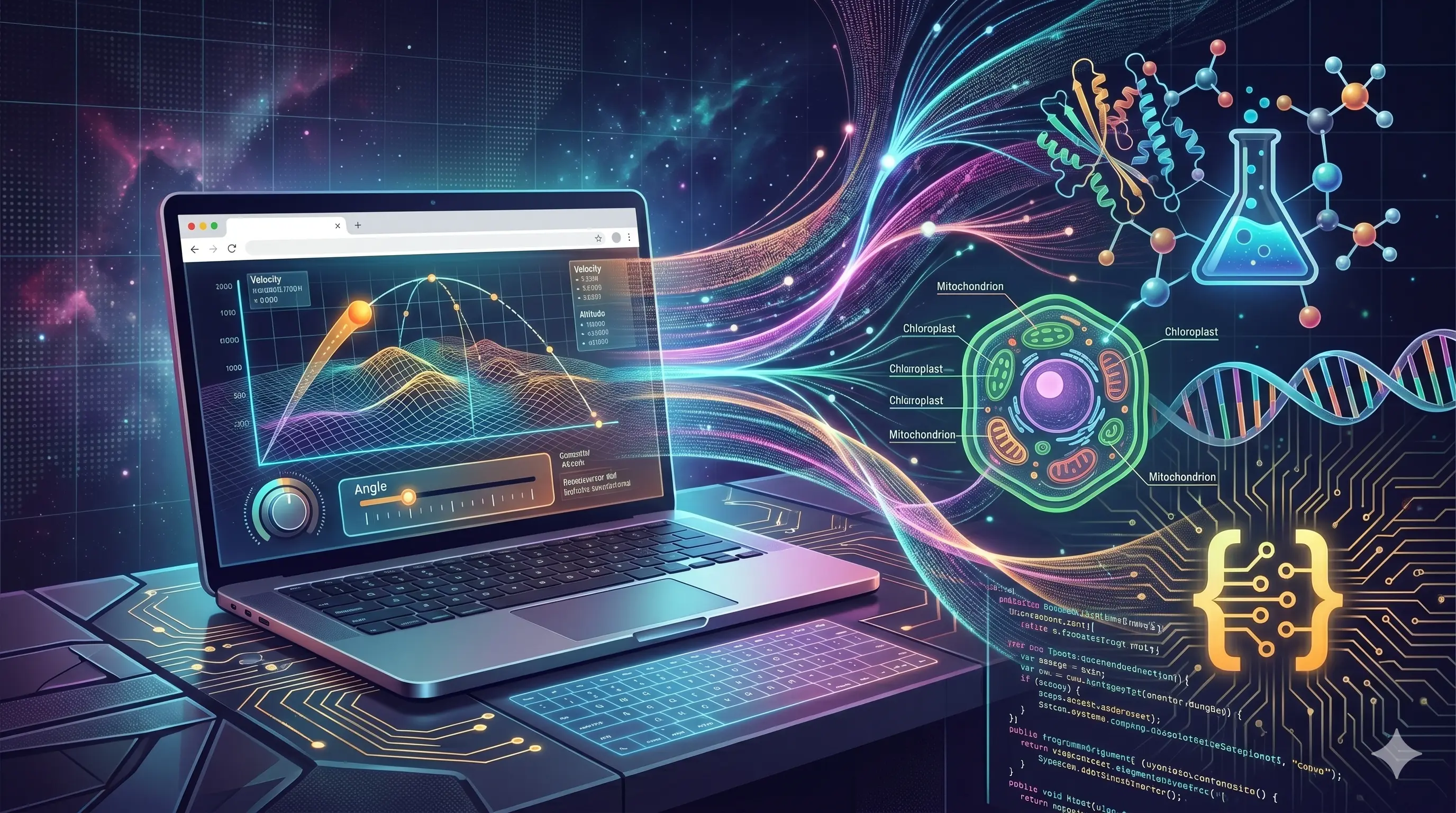
What Are Edtech Labs? Browser-Based Virtual Science Labs
Edtech labs are browser-based learning spaces where students run guided STEM experiments through interactive simulations — no equipment, no installs, just a question and a variable to test.
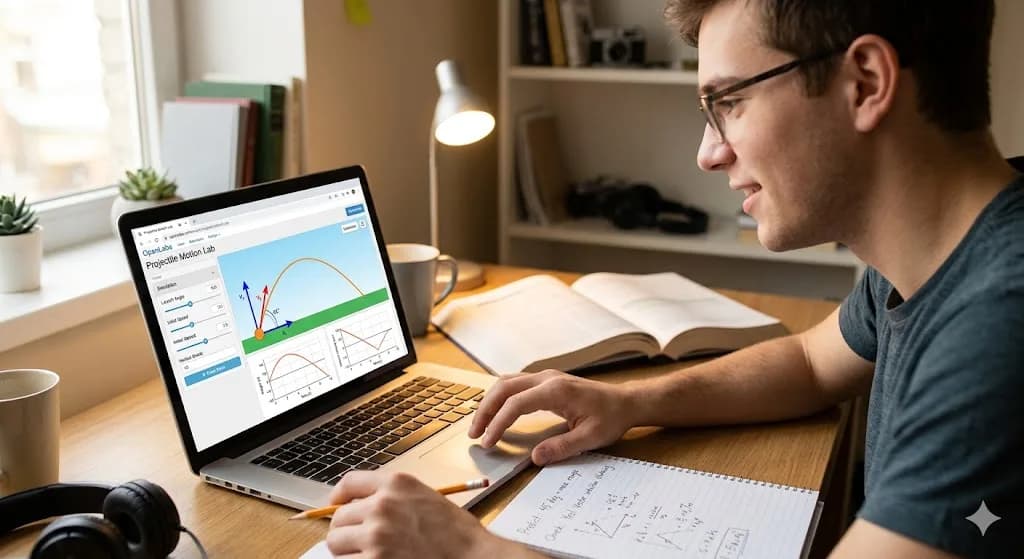
How to Study Physics Without a Lab (And Actually Understand It)
No lab access? No problem. Here's how to actually understand Physics — not just memorize it — using interactive simulations, visual tools, and a few mindset shifts that change everything.
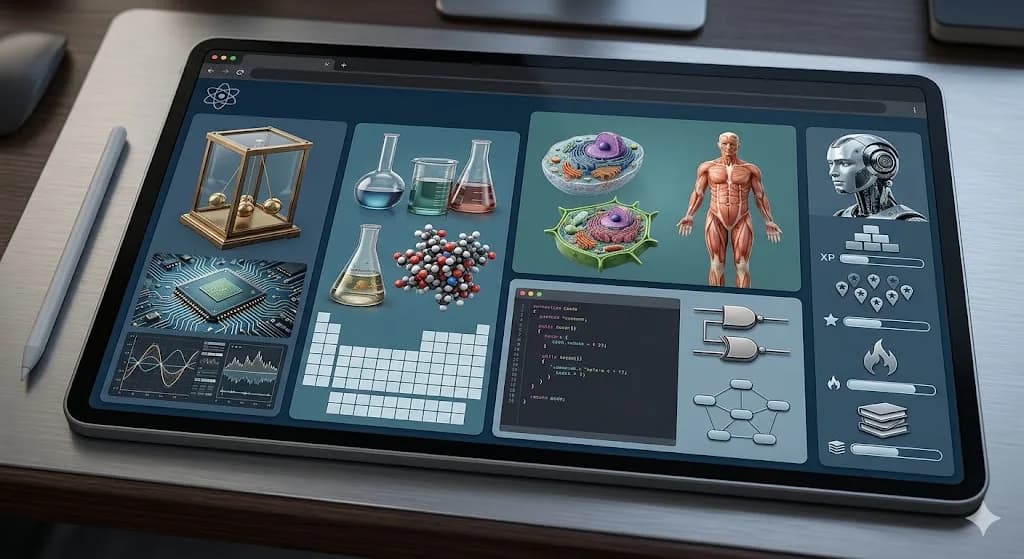
Best Free Virtual Science Labs for Students in 2026 (No Download Required)
A no-fluff guide to the best free virtual science labs available in 2026 — covering Physics, Chemistry, Biology, and Computer Science. No downloads, no paywalls, just pure science.